Understanding Holistic Men's Well-being
Explore the intersection of nature, wellness, and sustainable self-care practices

Explore the intersection of nature, wellness, and sustainable self-care practices
Natural elements have played a fundamental role in human wellness traditions across cultures and centuries. From the nutrients found in botanical sources to the calming effects of natural environments, nature provides a rich foundation for understanding holistic well-being.
This educational resource explores how natural components contribute to general health practices and sustainable lifestyle choices. We focus on explaining the science, history, and practical applications of natural approaches to self-care.

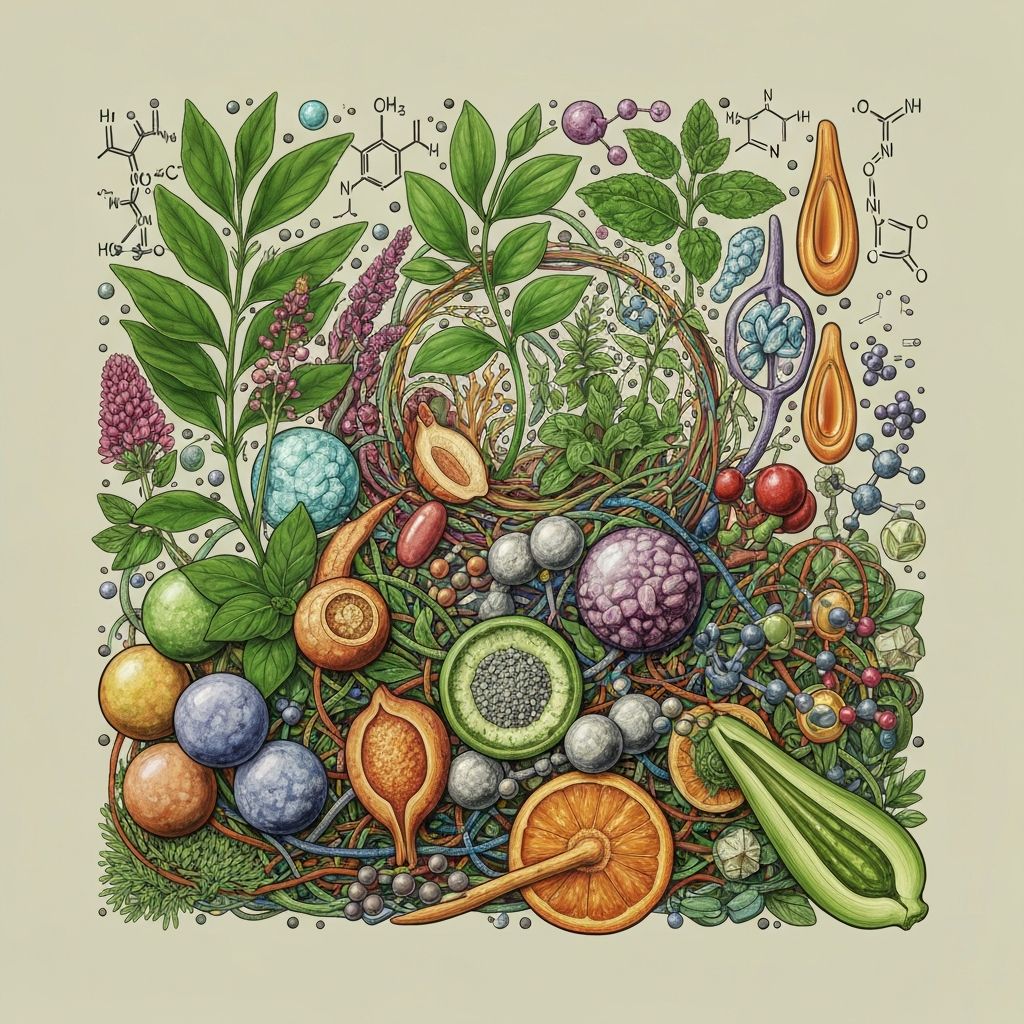
Botanical extracts contain complex compounds that have been studied for their potential effects on general health and vitality. Understanding these components helps us appreciate why natural ingredients have been valued across various wellness traditions.
The science of botanical extracts focuses on identifying and explaining the active constituents within plants, such as polyphenols, flavonoids, alkaloids, and essential oils. Each of these compounds contributes to the overall profile of a botanical ingredient.
As men advance in years, certain nutrients become increasingly important for supporting normal bodily functions and overall vitality. The body's nutritional needs evolve, and understanding these changes helps inform conscious lifestyle choices.
These nutrients work synergistically to support normal functions and general well-being throughout daily life.

Natural approaches to skin care focus on nourishment and moisture support using botanical and plant-based ingredients. Healthy skin is supported by adequate hydration, protection from environmental factors, and consistent care practices.
Many natural ingredients have been traditionally used for their properties that support skin nourishment and moisture. These include plant oils, botanical extracts, and natural hydrating components that contribute to general skin health.
The relationship between mental well-being and physical health is a cornerstone of holistic wellness philosophy. Natural approaches to stress management and emotional balance recognize that the mind and body function as an integrated system.
Practices that cultivate present-moment awareness support mental clarity and emotional stability, contributing to overall sense of balance and well-being.
Regular exercise, whether walking in nature, yoga, or other activities, supports both physical vitality and mental clarity through natural endorphin production.
Quality sleep and adequate rest are fundamental to maintaining balance. Natural sleep practices support the body's regenerative processes and mental well-being.
Understanding natural stress responses and developing healthy coping strategies supports sustained mental and physical health throughout daily challenges.
Throughout history, various cultures have developed sophisticated systems of wellness knowledge based on observation and experimentation with natural elements. These traditional approaches offer valuable insights that remain relevant today.
By understanding these historical contexts, we gain appreciation for how natural wellness practices have evolved and been refined across generations.

Sustained well-being comes from consistent, conscious lifestyle choices that support the body's natural functions. Nutrition, movement, rest, and environmental factors all play significant roles.

When we consume nutrients or botanical ingredients, the body must be able to absorb and utilize them effectively. This process, known as bioavailability, is central to understanding how nutrition supports wellness.
Several factors influence bioavailability, including the form of the nutrient, the presence of other compounds that may enhance or inhibit absorption, the digestive system's health, and individual physiological factors. Understanding these mechanisms helps explain why the source and preparation of nutrients matter for optimal function.
Natural whole food sources often provide nutrients in forms that the body recognizes and processes efficiently. Additionally, foods typically contain complementary compounds that work synergistically to support absorption and utilization of key nutrients.
Adaptogens are a class of natural substances—primarily plants and their extracts—that are studied for their potential to help the body maintain balance in response to stress and support general vitality.
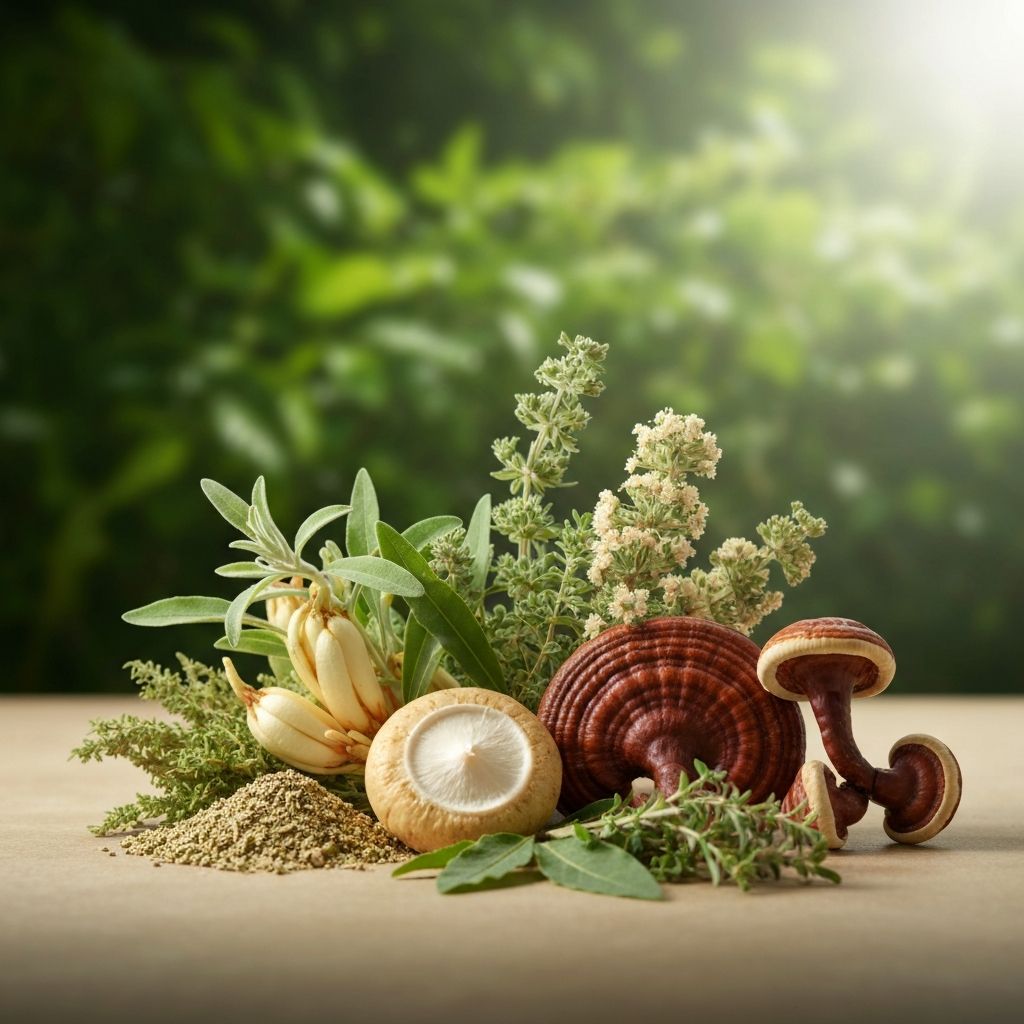
Adaptogens are traditionally studied for their role in supporting the body's natural stress response mechanisms, promoting a sense of balance during demanding periods.

Many adaptogens are studied for their potential to support sustained energy and mental clarity, contributing to overall sense of well-being and resilience.

The adaptogenic concept centers on supporting the body's natural ability to maintain balance, promoting overall harmony in physical and mental functions.
Skin is the body's largest organ and its primary interface with the environment. External factors—including sunlight, temperature, humidity, and air quality—significantly influence skin health and appearance.
Understanding how environmental factors affect skin helps inform protective and supportive strategies:
Sunlight provides essential vitamin D but also carries UV radiation that affects skin health. Natural approaches include both sun exposure and natural protection methods.
Environmental moisture levels affect skin hydration. Maintaining internal and external hydration supports the skin's ability to function optimally.
Extreme temperatures affect skin barrier function. Supporting skin health across seasonal changes involves conscious care adjustments.
As interest in natural wellness grows, various misconceptions and myths can cloud accurate understanding. This section aims to clarify some common areas of confusion:
Integrating natural practices into daily life is a personal journey that unfolds gradually over time. It begins with awareness, expands through experimentation and observation, and solidifies through consistent practice.
The transition to more natural approaches doesn't require dramatic overhauls. Instead, it emerges through small, intentional choices: choosing whole foods more often, spending time in nature, prioritizing rest, developing mindfulness practices, and exploring natural ingredients aligned with personal values.
This educational journey—understanding the "why" behind natural wellness practices—empowers individuals to make informed decisions about their health and well-being, aligned with their values and circumstances.
Explore More Wellness Topics
Educational content only. No promises of outcomes. All content on this website is for informational and educational purposes only. It is not intended as medical advice, diagnosis, treatment, or a substitute for professional medical consultation. Individual responses to wellness practices vary greatly. Always consult qualified healthcare professionals regarding health decisions.